VerifiedLawFirms editorial: Focus and practice areas — Three fields define the caseload at Norinsberg Law: personal injury, medical malpractice and civil rights.
Each row is a check on this listing. Document checks are reviewed by an editor from evidence the firm submitted and are dated by that review; automatic checks confirm the listing's contact details are present and correctly formatted. Verification is independent of membership tier.
What we verified
How we verified
Status
Last checked
AddressThe listed street address resolves to a real location on the map.
Automatically
Confirmed
2026-07-28
Phone numberA phone number in valid US format is listed for this firm.
Automatically
Confirmed
2026-07-28
Automatic checks confirm the listing's contact details are present and correctly formatted. They do not verify the firm's licensure or standing — those are the document checks an editor reviews. How we verify →
About Norinsberg Law
Norinsberg Law is a New York City civil trial firm handling personal injury, medical malpractice and civil rights matters.
Its listed personal injury work includes catastrophic injuries, construction accidents, motor vehicle accidents, negligent security, premises liability, products liability, school injuries, work accidents, wrongful death and Uber or Lyft accidents.
The medical malpractice section identifies birth trauma, failure to diagnose, surgical and anesthesia errors, and prescription errors. Its civil rights work includes false arrest, false imprisonment, malicious prosecution, police misconduct, police shootings, racial profiling and fabrication of evidence.
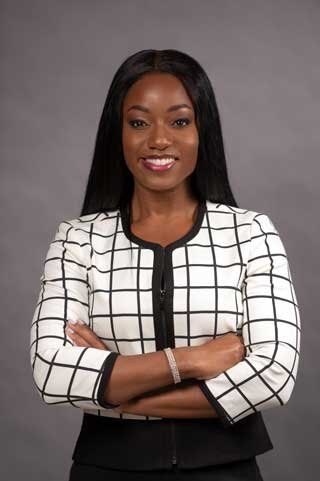
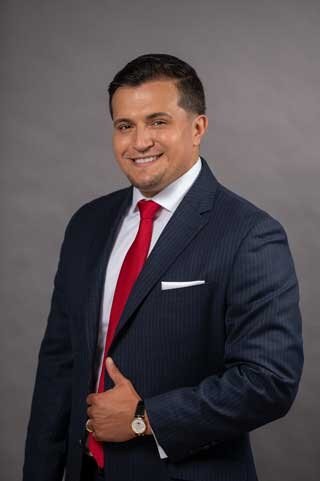
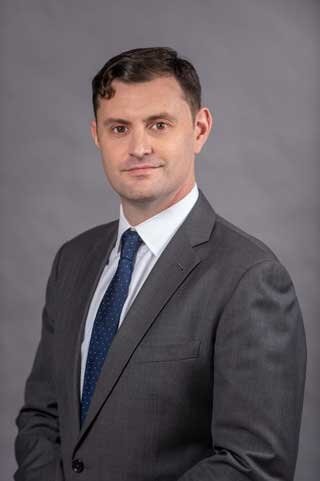
The firm states that its lawyers have handled more than 150 jury trials and have over 25 years of experience representing injury victims and people whose civil rights were violated by police. The site lists Jon Norinsberg as Senior Partner, John J. Meehan, Bennitta Joseph and Christina Ctorides Foley as Partners, and Diego Barros as Senior Counsel.
The office shown on the About page is at 825 Third Ave, Suite 2100, New York, New York 10022. The firm offers free case evaluations and says it accepts matters on a contingency basis.
Editor's Review
VerifiedLawFirms editorial
Focus and practice areas
Three fields define the caseload at Norinsberg Law: personal injury, medical malpractice and civil rights. The firm runs as a civil trial practice based in New York City. Each of those fields carries its own long list of matters, and the personal injury side is the broadest of the three.
Within personal injury, the firm handles catastrophic injuries, construction accidents, motor vehicle accidents and premises liability. It also takes negligent security claims, products liability, school injuries and work accidents. Wrongful death sits in this group, and so do rideshare cases involving Uber or Lyft drivers. That list covers most of the ways a person gets hurt through someone else's fault in a crowded city.
How injury claims usually proceed
Personal injury cases in New York tend to follow a set order. A claim starts with an investigation of what happened and who bears responsibility. It then moves to filing and a discovery phase, where both sides exchange records and sit for depositions. Many matters settle before a courtroom, and the ones that do not reach a jury.
The matters the firm names sit at the demanding end of that process. Catastrophic injury claims involve lasting disability, large medical bills and long arguments over future care. Construction accident files often turn on which contractor controlled the site and whether safety rules were followed. In my opinion, a firm that puts these front and centre is telling clients it works the higher-stakes files, where the numbers and the liability fights both run large.
Construction and workplace injuries
New York law gives workers on a job site specific protections for falls and falling-object injuries, and cases built on those rules follow their own path through the courts. A worker injured on a construction project may hold both a workers' compensation claim and a separate lawsuit against a property owner or contractor. Sorting those two tracks is a routine part of this strand of the practice. The firm lists construction accidents and work accidents among the matters it takes.
Medical malpractice matters the firm names
The malpractice section points to a specific set of clinical failures. It lists birth trauma, failure to diagnose, surgical and anesthesia errors, and prescription errors. These are cases where a patient argues that a provider fell short of accepted care and caused real harm.
Medical malpractice claims carry their own procedural weight. A plaintiff generally needs a qualified medical witness to review the records and support the claim before it can move forward. The science of causation often decides the outcome, since the defence will argue the harm came from the underlying illness. Birth trauma and anesthesia cases in particular turn on detailed timelines and hospital charts.
Handling these alongside general injury work says something about the firm's range. A malpractice file demands medical reading, witness coordination and a grasp of how hospitals document care. A practice that keeps this work in house takes on a heavier evidentiary load than a straightforward car-accident file. That mix of injury and malpractice work is common among New York trial firms that built up around the courtroom.
The civil rights side of the docket
Civil rights work makes up the third area of the firm's practice. The site lists false arrest, false imprisonment, malicious prosecution and police misconduct. It also names police shootings, racial profiling and fabrication of evidence. These claims usually run against government defendants and police departments.
Cases against public agencies follow rules that ordinary injury claims do not. A plaintiff often has to file an early notice of claim within a short window, and many of these suits move into federal court under civil rights statutes. Questions of official immunity can decide whether a case goes forward at all. The work rewards a firm that knows both the injury side and the constitutional side of a police encounter.
The overlap between the civil rights and personal injury sides has a clear logic. Both center on physical harm and the question of who caused it. Both often reach a jury when the two sides disagree on the basic facts. As a reviewer, I read the pairing as a sign that trial work sits at the center of what the firm does.
What the named civil rights claims involve
The claims the firm lists describe different points in an arrest and a prosecution. False arrest and false imprisonment concern a detention made without proper legal basis. Malicious prosecution concerns a case pushed forward without probable cause that later ends in the person's favour. Fabrication of evidence concerns proof that an officer created or altered. Each of these has its own elements a plaintiff must prove, and a single incident can raise several at once.
How the team is built
The firm names five lawyers on its site. Jon Norinsberg holds the title of Senior Partner. John J. Meehan, Bennitta Joseph and Christina Ctorides Foley carry Partner titles. Diego Barros works as Senior Counsel.
The site names the lawyers but does not publish their biographies, law schools or admission years. What the titles do show is a layered structure: a senior partner, a group of partners and a senior counsel. That shape suggests matters get staffed with more than one lawyer, which fits a practice built around trials. A client working with this group meets several named partners under one roof.
A layered team also affects how a case is covered day to day. Partners can hand specific tasks to the right person while keeping one lawyer responsible for the whole file. For a client, that means questions reach someone who knows the matter. The five names on the site set the outer bounds of who that person might be.
What the stated record shows
Two figures anchor the firm's account of itself. Its lawyers have handled more than 150 jury trials, and they have over 25 years of experience representing injury victims and people whose civil rights were violated by police. Both numbers come straight from the home page.
Jury trial counts matter in this kind of work. Insurance companies and city defendants weigh whether a firm actually tries cases or settles every file. A stated history of 150 trials speaks to the first of those, since trial readiness shapes how a defendant values a claim. Over 25 years of practice covers a long stretch of New York injury and civil rights litigation.
In my opinion, those two facts are the most useful things a prospective client can take from the listing. They point to courtroom conduct a person can actually weigh. Numbers about trials and years describe what the lawyers have done, and that carries more information than any adjective could.
Why a trial posture matters
A firm's willingness to try a case shapes every stage before it. When defendants know a firm prepares files for a jury, their settlement offers tend to reflect that risk. When they sense a firm folds early, the offers soften. This is why a trial record carries weight beyond the courtroom itself.
Trial work also sets the pace of a case. Preparing for a jury means building exhibits, witness lists and tested arguments well before a trial date. Much of that preparation helps a client even in a matter that settles, since a strong file gives the plaintiff a stronger negotiating position. The firm's three practice areas all can end in front of a jury when the two sides fail to agree.
For a person weighing a firm, that posture is worth understanding early. A lawyer who tries cases will often push a matter through discovery with a jury in mind from the start. That approach can mean more work up front and a longer road, and it can also mean a defendant takes the claim more seriously. The choice of firm shapes which of those paths a case takes.
Where the practice is based
The firm operates out of Manhattan and takes cases across New York City. A city practice of this kind draws matters from construction sites, hospital wards and street encounters with police. The three practice areas map onto that setting closely, since each grows out of daily life in a dense place.
New York sets tight procedural rules for the work the firm does. Injury claims run under state negligence law and firm filing deadlines. Civil rights claims against city agencies require an early notice of claim, and many of them move into federal court. A firm that keeps injury, malpractice and civil rights work under one roof handles those separate tracks side by side. Those deadlines start running from the day the injury or the arrest happens.
Client reviews
No client reviews yet.
Be the first to leave a review.
Write a review
Reviews are from clients of the firm. We email you a link to confirm, then an editor checks your review before it appears. Your email stays private.
Bennitta JosephPartner
CCChristina Ctorides FoleyPartner
Diego BarrosSenior Counsel
John J. MeehanPartner
JNJon NorinsbergSenior Partner
Contact Norinsberg Law
Reach this firm directly using the details below. VerifiedLawFirms is a directory, not a referral service, so you contact the firm yourself and we never sit in between.