VerifiedLawFirms editorial: Where the firm concentrates its work — Civil rights litigation is the core of this New York City firm's work. Rickner Moskovitz LLP says it works across New York and New Jersey, and it also takes…
Each row is a check on this listing. Document checks are reviewed by an editor from evidence the firm submitted and are dated by that review; automatic checks confirm the listing's contact details are present and correctly formatted. Verification is independent of membership tier.
What we verified
How we verified
Status
Last checked
Email addressA working email address is on file for this listing.
Automatically
Confirmed
2026-07-28
AddressThe listed street address resolves to a real location on the map.
Automatically
Confirmed
2026-07-28
Phone numberA phone number in valid US format is listed for this firm.
Automatically
Confirmed
2026-07-28
Automatic checks confirm the listing's contact details are present and correctly formatted. They do not verify the firm's licensure or standing — those are the document checks an editor reviews. How we verify →
About Rickner Moskovitz LLP
Rickner Moskovitz LLP is a civil rights law firm based at 14 Wall Street in New York City. The firm states that it practices across New York and New Jersey and also handles matters nationally.
Its work includes wrongful convictions, police misconduct, prison litigation, free speech, religious freedom and workplace discrimination. The police misconduct practice covers excessive force, wrongful arrests, unlawful searches, racial profiling and false reports. Wrongful conviction matters include prosecutorial misconduct, false testimony and coerced confessions.
The firm also handles claims involving abuse by prison guards, unsafe prison conditions, denial of medical care and solitary confinement. Its free speech work includes workplace retaliation, protests, censorship and disciplinary action related to speech. Religious freedom matters include employment bias, zoning disputes, restrictions on worship and denied accommodations.
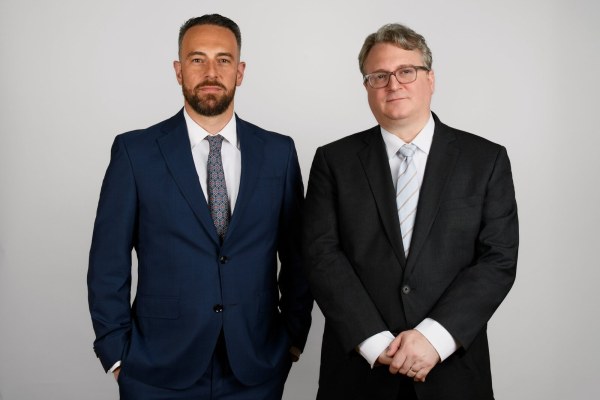
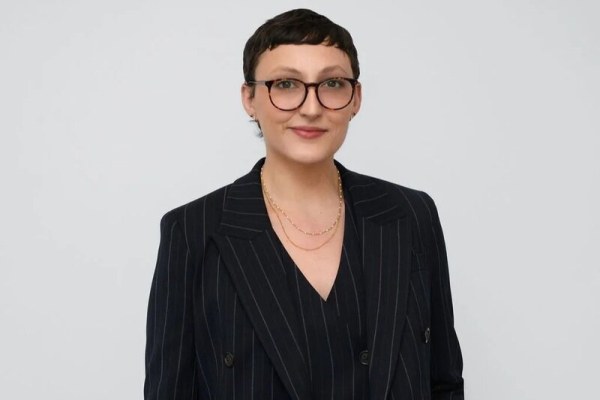
Workplace cases include wrongful termination, harassment, unequal pay and retaliation for complaints. The team page identifies Rob Rickner and Joshua S. Moskovitz as principals, with Stephanie Panousieris and Sara Wolkensdorfer as associates. It also lists one supervising paralegal and two paralegals.
Editor's Review
VerifiedLawFirms editorial
Where the firm concentrates its work
Civil rights litigation is the core of this New York City firm's work. Rickner Moskovitz LLP says it works across New York and New Jersey, and it also takes matters nationally. The casework groups into several connected areas: wrongful convictions, police misconduct, prison litigation, free speech, religious freedom and workplace discrimination.
Those areas share a common thread. Each one puts a single person on one side and a government body or an employer on the other. As a reviewer, I read that as a firm built around holding institutions to account. The practice areas page carries enough detail on each subject to show the firm treats all of them as regular work.
How the team is built
The site names two principals and two associates. Rob Rickner and Joshua S. Moskovitz are the principals. Stephanie Panousieris and Sara Wolkensdorfer are the associates. The team page also lists one supervising paralegal and two paralegals.
That is a small group for the range of subjects the firm covers. In my opinion a compact team can suit civil rights litigation, where cases run long and each one benefits from steady attention by the same lawyers. The paralegal support points to a firm that keeps its document and records work in house, which counts in cases that turn on files held by police departments and prisons. Two principals and two associates also means a client is likely to work with a named attorney who stays on the file.
Police misconduct and wrongful conviction claims
The police misconduct practice covers excessive force, wrongful arrests, unlawful searches, racial profiling and false police reports. Claims of this kind usually proceed under federal civil rights law, the statute that lets a person sue a state actor for a constitutional violation. They often begin with records requests for arrest reports, body camera footage and internal affairs files. A plaintiff generally has to show that an officer acted under color of law and crossed a constitutional line, and the dispute frequently turns on what the footage and the paperwork show. Qualified immunity is a common hurdle in these cases, so the early legal work often decides how far a claim can go.
Wrongful conviction work is a second focus. The firm handles matters involving prosecutorial misconduct, false testimony and coerced confessions. Cases like these tend to follow a criminal appeal or an exoneration, and they lean on the trial record, forensic review and witness accounts gathered years after the events. Because the firm takes both police and prosecution claims, it can address the arrest and the conviction that followed within one case. A claim of this type may seek to hold a city or a district attorney's office responsible for the harm of a wrongful imprisonment.
Prison litigation and free speech
The prison work includes abuse by guards, unsafe conditions, denial of medical care and solitary confinement. Prison litigation carries its own procedural rules. Under federal law an incarcerated plaintiff often has to exhaust the prison's internal grievance system before a court will hear the claim, so the early paper trail matters a great deal. Medical care claims usually rest on the standard that officials showed deliberate indifference to a serious need, which sets a high bar and calls for detailed records of what staff knew and when.
Free speech is a separate strand. Here the firm handles workplace retaliation, protests, censorship and disciplinary action tied to what a person said. First Amendment claims against a public employer or a government body turn on whether the speech was protected and whether the official response amounted to punishment for it. As a reviewer, I note that the firm's free speech and workplace pages overlap, since retaliation for speech can also be an employment claim. That overlap can work in a client's favor, because one set of facts may support more than one theory of the case.
Religious freedom and workplace matters
Religious freedom rounds out the civil rights side. The firm names employment bias on religious grounds, zoning disputes over places of worship, restrictions on worship and denied accommodations. Zoning cases in particular bring the firm into land use hearings and municipal boards, a different forum from a federal courtroom. A worship or accommodation dispute may proceed under statutes that protect religious exercise, and it often depends on showing that a rule placed a real burden on that exercise.
The workplace practice covers wrongful termination, harassment, unequal pay and retaliation for complaints. Employment claims of this kind often run through a state or federal agency before they reach court, so a worker may file a charge with such a body first and wait for its response. The firm handles the discrimination and the retaliation questions that often travel together in one dispute. Retaliation claims in particular can outlast the original complaint, since the law protects a worker who reports conduct even when the original complaint fails.
A practice organized around civil rights
The through line across every area the firm names is the set of protections that limit what the state and an employer can do to a person. That focus shows up in the specifics the firm lists, such as excessive force in the police work and coerced confessions in the wrongful conviction work. The firm handles the litigation that grows out of those events in New York, New Jersey and, by its own account, other parts of the country.
For someone weighing this firm, the site gives a clear picture of subject matter and a named team of four attorneys across two principals and two associates. A prospective client can raise past results and current caseload in a first conversation. The pages establish a defined civil rights practice with the people who run it listed by name.
The Wall Street office
The directory provides a precise office address at 14 Wall Street in New York City. Rickner Moskovitz LLP uses the same name as its listed legal name, so there is no separate trade name to reconcile when checking the firm or contacting its office. That consistency is useful in a directory entry, particularly when a prospective client wants to confirm that the website and telephone number belong to the same practice.
The firm's website is rmcivilrights.com, a domain that directly identifies the subject of its practice. The listing also provides one telephone number, (212) 300-6506. These details give a prospective client two direct routes to the firm. The address provides a physical point of reference for anyone who may need to discuss an in-person meeting, document delivery or another office-based arrangement. The record does not describe the firm's intake procedure, so questions about consultations and document review belong in the first contact.
Whistleblower matters as a distinct listing category
The directory record includes retaliation and whistleblower matters as a combined practice category. Whistleblower work deserves separate notice because the existing descriptions of workplace complaints and speech disputes do not define the firm's whistleblower caseload. The category still indicates that people who report suspected wrongdoing fall within the subjects associated with the firm.
I would use that classification as a reason to ask focused questions at the outset. A caller can explain what was reported, who received the report and what action followed. Those facts would help the attorneys determine whether the matter belongs within the listed whistleblower category or another part of the practice. The record supplies no fixed intake formula, but its category structure gives potential clients a clear way to identify the issue when they make contact.
Contact details for an initial inquiry
The combination of a named legal entity, a street address, a dedicated website and a New York telephone number makes the directory information readily cross-checkable. A person preparing to contact the firm can refer to the exact legal name and use the practice category that most closely matches the dispute. For a whistleblower inquiry, that means identifying the report and the later response. For an office visit or delivery, it means confirming arrangements through the listed number before going to 14 Wall Street.
Client reviews
No client reviews yet.
Be the first to leave a review.
Write a review
Reviews are from clients of the firm. We email you a link to confirm, then an editor checks your review before it appears. Your email stays private.
JSJoshua S. MoskovitzPrincipal
Joshua Moskovitz is an attorney at Rickner Moskovitz LLP in New York, New York. He handles matters involving civil rights, plaintiff-side employment litigation, and appellate work. He studied at Yeshiva University Benjamin N. Cardozo School of Law and graduated in 2010.
RRRob RicknerPrincipal
Rob Rickner is an attorney at Rickner Moskovitz LLP in New York, New York. His practice focuses on civil rights matters.
Sara WolkensdorferAssociate
Stephanie PanousierisAssociate
Stephanie Panousieris graduated from Yeshiva University Benjamin N. Cardozo School of Law in 2020. She is an attorney at Rickner Moskovitz LLP in New York, New York, where she handles civil rights matters.
Contact Rickner Moskovitz LLP
Reach this firm directly using the details below. VerifiedLawFirms is a directory, not a referral service, so you contact the firm yourself and we never sit in between.