VerifiedLawFirms editorial: Focus and practice areas — Delahunty & Nash LLP is a boutique litigation firm in San Mateo, California. It advises individuals and companies in criminal, regulatory, and business litigation.
Each row is a check on this listing. Document checks are reviewed by an editor from evidence the firm submitted and are dated by that review; automatic checks confirm the listing's contact details are present and correctly formatted. Verification is independent of membership tier.
What we verified
How we verified
Status
Last checked
Email addressA working email address is on file for this listing.
Automatically
Confirmed
2026-07-28
AddressThe listed street address resolves to a real location on the map.
Automatically
Confirmed
2026-07-28
Phone numberA phone number in valid US format is listed for this firm.
Automatically
Confirmed
2026-07-28
Automatic checks confirm the listing's contact details are present and correctly formatted. They do not verify the firm's licensure or standing — those are the document checks an editor reviews. How we verify →
About Delahunty & Nash LLP
Delahunty & Nash LLP is a boutique litigation firm that advises individuals and companies in criminal, regulatory, and business litigation. The firm handles white collar criminal defense, including wire and mail fraud, bank and mortgage fraud, health care fraud, antitrust and bid rigging, money laundering, criminal tax, and securities and investment fraud. It also takes on commercial disputes and civil fraud, trade secrets and employee mobility matters, founder disputes, government investigations, and internal investigations.
The firm was founded by former federal prosecutors who previously worked at international law firms. Its attorneys represent clients at all stages of litigation, including trial and arbitration, in California state courts and federal courts. Patrick Delahunty is a former federal prosecutor and trial attorney with nearly 20 years of experience.
Micah Nash is a business litigator with nearly 20 years of experience in commercial disputes. George Tran is a former federal and California prosecutor who has tried over 30 cases to verdict. The main office is at 1875 S. Grant St., Suite 925, San Mateo, California.
Editor's Review
VerifiedLawFirms editorial
Focus and practice areas
Delahunty & Nash LLP is a boutique litigation firm in San Mateo, California. It advises individuals and companies in criminal, regulatory, and business litigation.
The white collar criminal defense work covers wire and mail fraud, bank and mortgage fraud, health care fraud, antitrust and bid rigging, money laundering, criminal tax, and securities and investment fraud. That is a wide slice of federal white collar practice. Each of those charge types carries its own investigative pattern, and defense counsel usually gets involved well before an indictment.
On the civil side the firm handles commercial disputes and civil fraud, trade secrets and employee mobility matters, and founder disputes. It also takes on government investigations and internal investigations. The practice areas page names trial and arbitration as its own category.
How the team is built
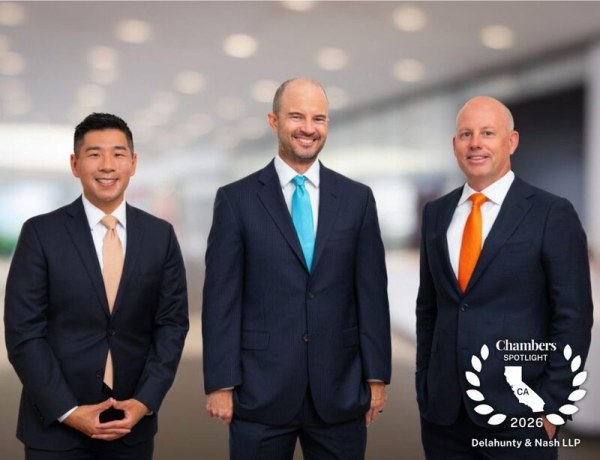
Three attorneys are named on the site. Two of them came out of prosecutors' offices, and the firm says its founders previously worked at international law firms before starting this one.
Patrick Delahunty
Patrick Delahunty is the founding partner. He is a former federal prosecutor and trial attorney with nearly 20 years of experience litigating in federal and state courts. His matters involve financial crimes, civil fraud allegations, and government investigations. He attended the University of Washington School of Law.
Micah Nash
Micah Nash is a business litigator with nearly 20 years of experience in commercial disputes. He litigates founder disputes and handles employee mobility issues. Those two areas overlap more than they might appear to: a departing founder and a departing key employee often trigger the same fight over who owns what.
George Tran
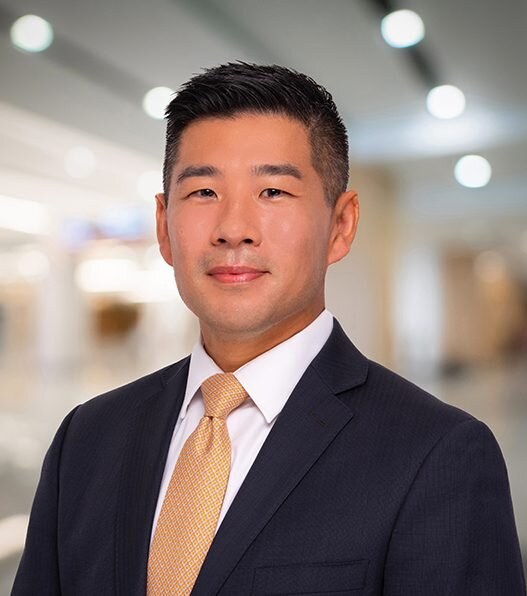
George Tran spent over ten years as a federal and California prosecutor. He has tried over 30 cases to verdict in federal and state courts across the country. He represents clients in litigation, government investigations, and disputes.
Thirty verdicts is a real number, and in my opinion it is the single most useful data point on the team page. Most civil and criminal matters resolve before a jury is empanelled, so trial counts accumulate slowly. A lawyer who has reached verdict that many times has been in front of juries far more often than the average litigator.
What a white collar matter usually involves
General context helps here, since the stages are consistent across firms. A federal white collar case often begins quietly. A client learns of it through a grand jury subpoena, a target letter, or a request for documents from a regulator.
Counsel's first job at that stage is usually document preservation and scoping: working out what records exist, where they sit, and who touched them. Interviews follow. Prosecutors and agents may already have witnesses.
Charging decisions in the federal system rest with the United States Attorney's Office and, in some categories, with sections at Main Justice. Sentencing runs through the federal guidelines, which give heavy weight to loss amount in fraud cases. Calculating loss is often where the hardest fights happen. A firm built by former federal prosecutors has watched those calculations argued from the government's chair.
Civil fraud, trade secrets and founder disputes
Commercial disputes and civil fraud claims travel a different route. They start with a complaint, move through pleading challenges, then into discovery, where documents and depositions do most of the work. California state courts and the federal district courts both hear these cases, and the firm says its attorneys appear in both.
Trade secrets matters move faster at the front end. A company that believes an employee left with protected information often seeks a temporary restraining order within days. California's approach to employee mobility is distinctive, since the state limits non-compete agreements, so these disputes tend to turn on trade secret law and on what was actually taken.
Founder disputes are quieter and slower. They usually involve equity, control of the company, and the terms of whatever documents the founders signed early on. Sometimes those documents are thorough. Sometimes they are an email.
Where the internal investigations work fits
The firm lists internal investigations alongside its defense work. Companies commission these when a whistleblower report, an audit finding, or a regulator's inquiry raises a question that the board wants answered before someone else answers it.
The work involves collecting records, interviewing employees, and producing findings for the audit committee or the board. Privilege management matters throughout, because the same facts may later surface in litigation or in a government inquiry.
Having the same firm handle both investigations and defense has an obvious logic. The people who know how the government builds a case tend to know what an investigation should look for.
What the record shows
The site is direct about credentials and light on claims. It names three lawyers, gives their years of experience, and states Tran's verdict count. It says the founders came from federal prosecutors' offices and from international law firms before that.
A few things the site leaves out. It does not state a founding year, does not give titles for Nash or Tran, and does not list bar admission dates. Prospective clients who want that detail will need to ask.
As a reviewer, the shape of this firm reads clearly from its own material: a small litigation shop where the criminal defense practice and the business litigation practice sit under one roof, staffed by lawyers with government trial backgrounds. The combination fits the client who is facing a fraud allegation that has both a civil and a criminal dimension, which is common in securities and investment fraud matters.
The firm maintains a Facebook page and a LinkedIn company page. Its main office is in San Mateo, and it appears in California state courts and federal courts.
Additional practice classifications
The directory's practice taxonomy separates business law from business litigation. Partnership disputes also have their own category. This gives partnership conflicts a distinct place within the firm's company-related work, although the supplied material identifies no representative partnership matters.
Separate directory fields identify securities law and securities litigation. The record provides no case descriptions under those labels, so it supports the practice classifications without showing the kinds of securities claims the firm has handled.
Intellectual property is another listed category. The supplied material provides no further subjects, industries, or representative matters under that heading. Readers can confirm the category from the record, but the available detail remains limited to the practice label.
Additional detail on George Tran's practice
George Tran's individual profile includes criminal practice labels beyond the firm's stated white collar work. DUI and DWI is one. Domestic violence and juvenile law appear as separate entries. His profile also names criminal law generally and business law.
These entries come from Tran's individual practice list. The record provides no descriptions of his work in those areas, no matter counts, and no allocation between defense work and his earlier government experience. They should therefore be read as stated practice categories rather than evidence of a particular volume of cases.
Education details in the record
The record dates Patrick Delahunty's JD to 2006. It dates Tran's JD to 2012 and identifies the University of California Law San Francisco as his law school. These are graduation years, while the supplied admission-year fields remain blank.
Micah Nash's entry supplies neither a law school nor a JD year. That absence limits comparison of the attorneys' educational timelines, even though the record gives substantial information about their litigation experience elsewhere.
Office and contact details
The precise office listing is 1875 S. Grant St., Suite 925. The directory also supplies a single telephone number, 415-891-6210, and identifies https://www.delawllp.com/ as the firm's website.
No additional office locations appear in the record. It also lists no separate telephone numbers for individual attorneys, departments, or after-hours contact. The supplied contact information therefore directs inquiries through one office number and the firm's main website.
Client reviews
No client reviews yet.
Be the first to leave a review.
Write a review
Reviews are from clients of the firm. We email you a link to confirm, then an editor checks your review before it appears. Your email stays private.
George Tran
George Tran is a former federal and California prosecutor of over ten years. He represents clients in litigation, government investigations, and disputes. He has tried over 30 cases to verdict in federal and state courts across the country.
Micah Nash
Micah Nash is a business litigator with nearly 20 years of experience representing clients in commercial disputes. He litigates founder disputes and handles issues of employee mobility.
Patrick DelahuntyFounding Partner
Patrick Delahunty is a former federal prosecutor and trial attorney with nearly 20 years of experience litigating in federal and state courts. He works on matters involving financial crimes, civil fraud allegations, and government investigations.
Contact Delahunty & Nash LLP
Reach this firm directly using the details below. VerifiedLawFirms is a directory, not a referral service, so you contact the firm yourself and we never sit in between.