VerifiedLawFirms editorial: Focus and practice areas — Intellectual property is the whole of this firm's work, divided across patents, trademarks, and copyrights.
Each row is a check on this listing. Document checks are reviewed by an editor from evidence the firm submitted and are dated by that review; automatic checks confirm the listing's contact details are present and correctly formatted. Verification is independent of membership tier.
What we verified
How we verified
Status
Last checked
Email addressA working email address is on file for this listing.
Automatically
Confirmed
2026-07-28
AddressThe listed street address resolves to a real location on the map.
Automatically
Confirmed
2026-07-28
Phone numberA phone number in valid US format is listed for this firm.
Automatically
Confirmed
2026-07-28
Automatic checks confirm the listing's contact details are present and correctly formatted. They do not verify the firm's licensure or standing — those are the document checks an editor reviews. How we verify →
About Simpson & Simpson
Simpson & Simpson is an intellectual property law firm that handles patents, trademarks, and copyrights for clients in the United States and abroad. The firm's patent attorneys have backgrounds in electrical, mechanical, chemical, and optical engineering, along with chemistry, biotechnology, and physics. Its clients include independent inventors, small and large companies, and universities, with work extending to Canada, Sweden, Germany, the United Kingdom, China, and Japan.
The firm was formed in 1998 and traces its roots to a 1928 predecessor firm, Bean, Brooks, Buckley & Bean. R. Craig Kauffman merged his successor firm into Simpson & Simpson in October 1998. In 2000, Howard M. Ellis brought a chemical patent practice into the firm, and in 2003 Michael L. Dunn merged his practice as well.
In June 2000, the firm bought a 12,000 square foot building on Main Street in Williamsville, New York. It opened a second office in Palm Beach Gardens, Florida in 2004. The firm reports filing more than 1,000 patent applications each year with the United States Patent and Trademark Office.
Editor's Review
VerifiedLawFirms editorial
Focus and practice areas
Intellectual property is the whole of this firm's work, divided across patents, trademarks, and copyrights. The patent side draws on backgrounds in electrical, mechanical, chemical, and optical engineering, and it reaches into chemistry, biotechnology, and physics. That range matters, because a patent attorney has to understand an invention before drafting the claims that protect it. In my opinion, the breadth of technical fields is the clearest signal of the kind of work the firm takes on.
The firm also handles trademark and copyright matters. Ellen S. Simpson is listed as the trademark attorney and a partner, which gives that work a defined home within the firm. Patents carry the larger share, given the filing volume the firm reports each year.
Why the technical range counts
Patent drafting is technical writing before it is legal writing. An attorney with a chemistry background can read a formulation the way its inventor does, and an attorney trained in electrical engineering can follow a circuit. Having those fields under one roof means a new matter can usually go to someone who already knows the subject. That saves the client from teaching the basics before the real work starts.
How the firm took shape
The current firm was formed in 1998, though its lineage runs back much further. It traces its roots to a 1928 predecessor, Bean, Brooks, Buckley & Bean. R. Craig Kauffman merged his successor firm into Simpson & Simpson in October 1998, and that step set the present name in place.
Two more mergers followed within five years. Howard M. Ellis brought a chemical patent practice into the firm in 2000. Michael L. Dunn merged his practice in 2003. In June 2000, the firm bought a 12,000 square foot building in Williamsville, New York, and in 2004 it opened a second office in Palm Beach Gardens, Florida.
The pattern here is growth by combination. Each merger added a book of clients and a practice area at the same time. A firm that grows this way tends to keep the working habits of the people it takes in, which shows up later in the mix of backgrounds on the team page.
How the team is built
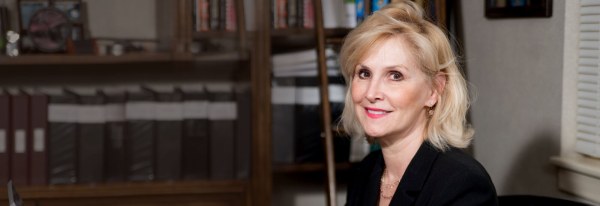
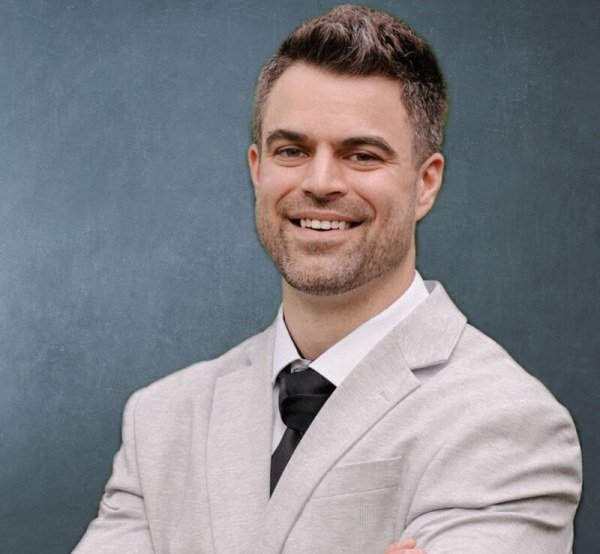
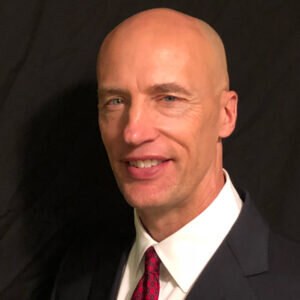
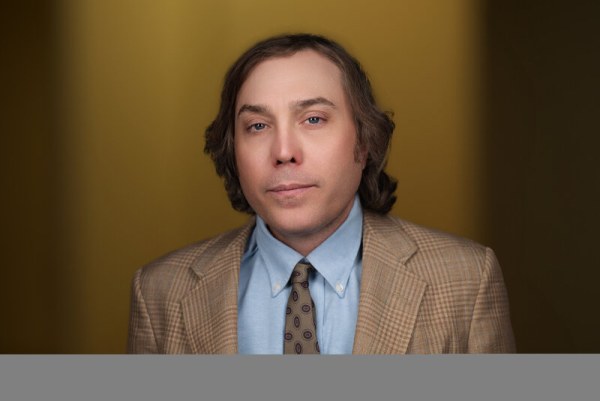
Ten people appear on the team page, with titles that map out the structure. Robert P. Simpson is a registered patent attorney and partner. Ellen S. Simpson is a partner working on trademarks. The of counsel group includes S. Peter Konzel, Jeffrey B. Powers, and Thomas J. Colson, each a registered patent attorney.
The associates and agents fill out the rest. Adelina E. Simpson is a senior associate, and Kevin M. Bronson is a registered patent attorney and senior associate. Michael E. Altman is an associate. Robert L. Cantrell and Robert Sparks are registered patent agents holding of counsel roles.
Attorneys and agents
The distinction between the two titles is worth a word. A registered patent attorney is a lawyer who is also registered to appear before the patent office. A registered patent agent is registered to prosecute patent applications at the USPTO without holding a law license. Both can draft and file applications, so having several of each spreads the technical drafting load across more hands.
Who the work serves
The client list includes independent inventors, small and large companies, and universities. That spread means the firm handles both one-off filings and larger patent portfolios. Its work also crosses borders, with clients in Canada, Sweden, Germany, the United Kingdom, China, and Japan.
International filing adds its own steps. A patent granted in the United States does not protect an invention abroad, so inventors who want coverage elsewhere file separately or through treaty routes. A firm with foreign clients has to coordinate with counsel and patent offices in each country involved, and the engineering backgrounds help when the same invention has to be described precisely in more than one filing.
What the record shows
The firm reports filing more than 1,000 patent applications each year with the United States Patent and Trademark Office. That is a high number for a firm of this size, and it fits the engineering depth on the patent side. As a reviewer, I read that figure as the firm's main public marker of how much it does.
A single patent application is a long process. After filing, an examiner reviews the claims, often issues rejections, and the attorney answers through several rounds before the office grants or refuses the patent. A firm filing at that rate keeps many of these exchanges moving at the same time, which calls for a docket system and steady staffing behind it.
Two offices carry the work, one in the Buffalo area of New York and one in Palm Beach Gardens, Florida. The Florida office has been open since 2004. The patent, trademark, and copyright focus has held steady across the mergers and the moves.
Client reviews
No client reviews yet.
Be the first to leave a review.
Write a review
Reviews are from clients of the firm. We email you a link to confirm, then an editor checks your review before it appears. Your email stays private.
AEAdelina E. SimpsonSenior Associate
ESEllen S. SimpsonTrademark Attorney, Partner
Jeffrey B. PowersRegistered Patent Attorney, Of Counsel
Kevin M. BronsonRegistered Patent Attorney, Senior Associate
Michael E. AltmanAssociate
Robert L. CantrellRegistered Patent Agent, Of Counsel
RPRobert P. SimpsonRegistered Patent Attorney, Partner
Robert SparksRegistered Patent Agent, Of Counsel
S. Peter KonzelRegistered Patent Attorney, Of Counsel
Thomas J. ColsonRegistered Patent Attorney, Of Counsel
Contact Simpson & Simpson
Reach this firm directly using the details below. VerifiedLawFirms is a directory, not a referral service, so you contact the firm yourself and we never sit in between.