VerifiedLawFirms editorial: Focus and practice areas — Injury law is the core of the firm's Buffalo work, and the list of case types runs across most of the ways people get hurt on the road and on the job.
Each row is a check on this listing. Document checks are reviewed by an editor from evidence the firm submitted and are dated by that review; automatic checks confirm the listing's contact details are present and correctly formatted. Verification is independent of membership tier.
What we verified
How we verified
Status
Last checked
AddressThe listed street address resolves to a real location on the map.
Automatically
Confirmed
2026-07-28
Phone numberA phone number in valid US format is listed for this firm.
Automatically
Confirmed
2026-07-28
Automatic checks confirm the listing's contact details are present and correctly formatted. They do not verify the firm's licensure or standing — those are the document checks an editor reviews. How we verify →
About The Law Offices of John V. Elmore
The Law Offices of John V. Elmore P.C. is a personal injury firm based in Buffalo, New York. The main office is at 2969 Main Street, Suite 200, in Buffalo, at Main and Hertel. The firm also keeps a satellite location in Niagara Falls that is available by appointment only.
It can be reached at (716) 300-0000. The practice handles personal injury matters, including car accidents, motor vehicle accidents, commercial truck accidents, motorcycle accidents, rideshare and e-bike accidents, slip and fall cases, construction injuries, nursing home neglect and abuse, and wrongful death. The firm works to help clients recover compensation for medical bills, lost income, and pain and suffering after an injury.
John V. Elmore is the founding attorney, a graduate of Syracuse University College of Law who has practiced for over 35 years. Alongside injury work, he has handled federal and state criminal matters, including white collar defense. The team also includes attorneys Kristen Elmore-Garcia, Robert Gallagher, Carin Gordon, and Oliver Young, supported by paralegals and other staff. Office hours run Monday through Friday, with weekend appointments on request.
Editor's Review
VerifiedLawFirms editorial
Focus and practice areas
Injury law is the core of the firm's Buffalo work, and the list of case types runs across most of the ways people get hurt on the road and on the job. The firm handles personal injury and wrongful death claims. It also takes car and other motor vehicle accidents, commercial truck accidents, motorcycle accidents, rideshare accidents, and e-bike accidents.
Beyond vehicle crashes, the firm works on slip and fall cases, construction injuries, and nursing home neglect and abuse. That spread describes a firm built around bodily harm and its financial cost. The stated aim is helping clients recover compensation for medical bills, lost income, and pain and suffering after an injury.
In my opinion, the mix reads as a road and workplace injury firm with a clear second interest in elder care harm. Truck and rideshare cases in particular tend to draw lawyers who are comfortable with commercial insurance and more than one defendant. The e-bike category is worth noting on its own, since those claims have grown as the vehicles have spread through cities like Buffalo.
The attorney behind the name
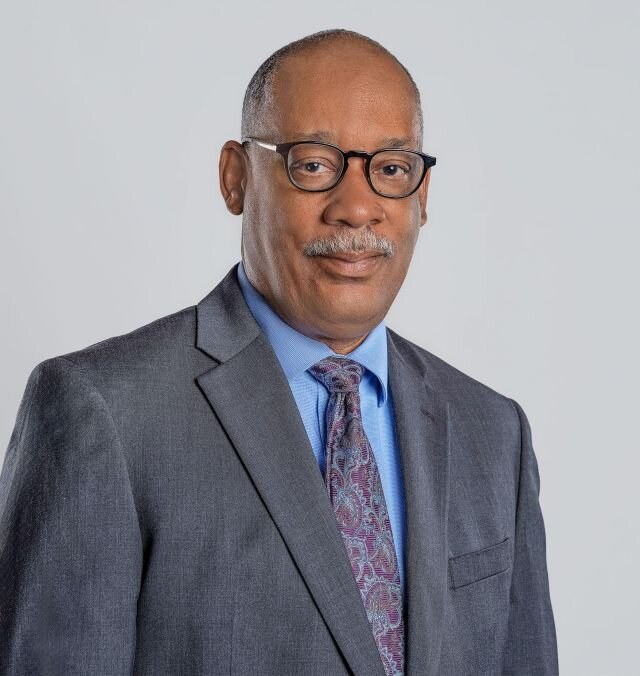
John V. Elmore is the founding attorney. He is a graduate of Syracuse University College of Law and has practiced law for over 35 years. His main focus is serious injury and wrongful death, the same core the firm puts forward on its home page.
Elmore also brings experience the injury pages only hint at. He has handled federal and state criminal matters, including white collar defense. That criminal courtroom background gives a personal injury lawyer real comfort with trial procedure and cross-examination. Those skills carry weight when an injury case does not settle and reaches a jury, because the mechanics of questioning a witness are much the same whichever side of the courtroom a lawyer sits on.
The firm's pages mention both 26 years of experience and more than 35 years of practice, and they do not state a founding year. As a reviewer, I read the larger number as Elmore's time in law overall and the smaller as something closer to the firm's own run, though the site leaves that open. His degree from Syracuse also keeps his training rooted in New York, where he has spent his career and where the firm's clients bring their claims.
How the team is built
Five attorneys appear on the firm's pages. Alongside John V. Elmore, they are Kristen Elmore-Garcia, Robert Gallagher, Carin Gordon, and Oliver Young. Paralegals and other staff round out the group. That is a mid-sized roster for a personal injury firm, large enough to carry a steady caseload and small enough that clients are unlikely to lose track of who handles their file.
A roster of five gives the firm enough attorneys to run several matters at once. Personal injury files often move in parallel, each with its own medical records, insurance adjusters, and court deadlines. Having more than one lawyer lets the firm keep those clocks running while sharing the load, so a client can usually reach someone even when another lawyer is in court.
Support staff matter more in injury work than the attorney count alone suggests. Paralegals gather medical records, track bills, and keep case files in order, which frees the attorneys for negotiation and court time. A firm that names its paralegals and staff as part of the team, as this one does, signals that it counts that groundwork as part of the service clients receive.
What an injury claim involves
Personal injury claims in New York generally begin with showing that another party's carelessness caused the harm. From there the work turns to documenting the injury and its costs: medical treatment, time away from work, and the effect on daily life. The firm describes its own aim in the same practical terms.
New York runs a no-fault system for car crashes, which means a driver's own insurer covers basic medical costs first, whatever the cause. To step outside that system and sue for pain and suffering, an injured person usually has to clear a serious injury threshold set by state law. That threshold is one reason Elmore's stated focus on serious injury lines up with the kind of case that reaches a courtroom.
Time limits shape these cases as much as the facts do. New York gives injured people a set window to file suit, and a shorter one applies after a death. Missing that window can end a claim before it starts, which is why early contact with a lawyer tends to matter in injury work. Evidence also fades: skid marks wash away, cameras record over their footage, and memories blur.
How compensation is counted
Compensation itself splits into parts. Economic damages cover the bills a person can add up, such as treatment and lost wages. Non-economic damages answer the harder question of what pain and lost time are worth. The firm's own list, medical bills, lost income, and pain and suffering, maps onto that same divide.
Proving those non-economic damages is where injury cases often turn. Bills and pay stubs speak for themselves, but the weight of ongoing pain or a lasting limit on daily life comes through testimony, medical opinion, and a clear account of life before and after the injury. That part of the work rewards patience and a full record, which is one reason these cases can take time to resolve well.
Road cases and where they differ
The road accidents on the firm's list do not all work the same way. A commercial truck case, for one, usually reaches beyond the driver. Federal safety rules govern how long truckers may drive and how loads are secured, and a serious crash can pull in the trucking company, a maintenance contractor, and more than one insurer at once. That widens both the investigation and the pool of parties who may owe compensation.
Motorcycle and bicycle riders face a different problem. They carry no metal shell around them, so the same speed that dents a car door can break bones, and juries sometimes arrive with fixed ideas about who rides. Building those cases often means countering an assumption before the facts even get a hearing. Pedestrian claims share that exposure, since a person on foot has no protection at all.
Rideshare and e-bike coverage
Rideshare and e-bike claims raise a question of coverage before anything else. With a rideshare trip, which policy pays can turn on whether the app was on and whether a passenger was in the car. With an e-bike, it can turn on whether the rider owned the bike or rented it and how the local rules classify the vehicle. Sorting out the right insurer is often the first task in these newer cases, and the firm's decision to list them by name suggests it sees enough of them to treat them as their own category.
Whatever the vehicle, the early hours after a crash tend to decide how strong a case becomes. Police reports fix the first version of events. Photographs of the scene, the vehicles, and the injuries carry weight later. Witnesses are easiest to reach while the day is fresh. A firm that handles road cases in volume knows to chase those threads quickly, and the breadth of the firm's vehicle list points to that kind of routine.
Nursing homes, premises, and the firm's reach
Away from the road, the firm's caseload turns to harm that happens on someone else's property or in someone else's care. Nursing home neglect and abuse claims sit at the heavier end of that work. They often rest on care records, staffing levels, and state inspection findings, and they can run alongside complaints to health regulators. Families usually come to these cases carrying both a legal question and a personal one, so the pace tends to be slower and the records deeper.
Slip and fall and construction injury claims share a common thread of premises safety. A fall case asks whether a property owner knew about a hazard and had a fair chance to fix it. Construction injury matters in New York often touch state Labor Law provisions that hold owners and contractors to account for falls and unsafe sites. Those provisions can place a high bar on owners and general contractors when a worker falls from a height or a scaffold fails. All of this is common ground for injury firms, and it marks the range an injury firm with this list has to cover.
The firm runs its main office in Buffalo, near the Main and Hertel corner on the city's north side. It also keeps a satellite location in Niagara Falls that clients reach by appointment, which gives people in the Niagara area a place to meet closer to home. Two offices across Western New York fit a firm whose clients travel in from across the region after a crash or an injury. The five named attorneys work from the Buffalo base, and the Niagara Falls office opens to clients who arrange a time first.
Client reviews
No client reviews yet.
Be the first to leave a review.
Write a review
Reviews are from clients of the firm. We email you a link to confirm, then an editor checks your review before it appears. Your email stays private.
Carin GordonAttorney
JVJohn V. ElmoreFounding Attorney
John V. Elmore is a graduate of Syracuse University College of Law and has practiced law for over 35 years. His primary focus is helping people who have suffered a serious injury or lost a loved one in an accident. He also has experience in federal and state criminal court matters, including white collar criminal defense.
Kristen Elmore-GarciaAttorney
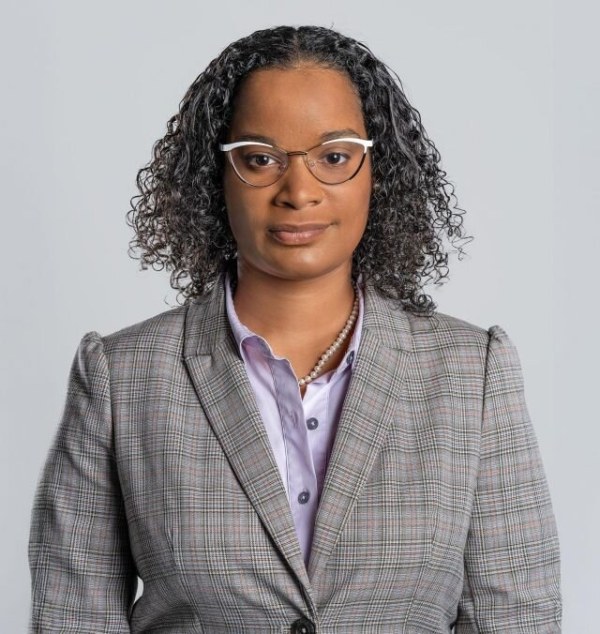
Kristen Elmore-Garcia is an attorney at The Law Office of John V. Elmore, P.C. in Buffalo, New York. She handles personal injury matters, including general plaintiff-side personal injury cases. She graduated from the University of Missouri School of Law (Columbia) in 2017.
Oliver YoungAttorney
Robert GallagherAttorney
Contact The Law Offices of John V. Elmore
Reach this firm directly using the details below. VerifiedLawFirms is a directory, not a referral service, so you contact the firm yourself and we never sit in between.