VerifiedLawFirms editorial: Focus and practice areas — The firm runs a general civil and criminal practice for people and businesses across North Carolina.
Each row is a check on this listing. Document checks are reviewed by an editor from evidence the firm submitted and are dated by that review; automatic checks confirm the listing's contact details are present and correctly formatted. Verification is independent of membership tier.
What we verified
How we verified
Status
Last checked
AddressThe listed street address resolves to a real location on the map.
Automatically
Confirmed
2026-07-28
Phone numberA phone number in valid US format is listed for this firm.
Automatically
Confirmed
2026-07-28
Automatic checks confirm the listing's contact details are present and correctly formatted. They do not verify the firm's licensure or standing — those are the document checks an editor reviews. How we verify →
About Knox Law Center
Knox Law Center is a North Carolina law firm with offices in Charlotte and Denver. The firm was founded in 1958 and has been in practice for more than 60 years. It represents individuals, families, and businesses across the state and works within the Mecklenburg and Lincoln County court systems.
The firm handles personal injury and accident cases, including car, truck, and motorcycle collisions and wrongful death claims. It also takes criminal defense matters such as DWI and DUI, drug possession, and domestic violence, along with workers' compensation, wills and estate planning, and commercial work covering civil litigation, construction law, property liens, and small business representation. Seven attorneys are listed on the firm's website.
H. Edward Knox, a former mayor of Charlotte, is a senior partner. The other listed attorneys are Allen C. Brotherton, Frances S. Knox, Heather P. Hodge, Lisa Godfrey, J. Gray Brotherton, and Ryan Hennelly. The Charlotte office is at 905 East 7th Street, and the Denver office is on Waterside Loop Road. Both keep hours of Monday through Friday, 8:30am to 5pm.
Editor's Review
VerifiedLawFirms editorial
Focus and practice areas
The firm runs a general civil and criminal practice for people and businesses across North Carolina. Its injury work covers car, truck, and motorcycle collisions, and it takes wrongful death claims that grow out of fatal crashes. The criminal defense side handles DWI and DUI charges, drug possession, and domestic violence cases. Alongside these, the firm names workers' compensation, wills and estate planning, and a commercial group that reaches civil litigation, construction law, property liens, and small business representation.
That mix places the firm in several parts of the North Carolina court system at once. A car wreck case and a small business dispute follow separate tracks with separate rules, and a firm that lists both keeps lawyers who know each track. In my opinion the range reads as the product of a long-running local firm, where the same client base brings injury, criminal, and estate questions over the years.
How injury claims work in North Carolina
A personal injury case usually opens with an investigation of the crash and a stretch of medical treatment, so the full extent of an injury is known before any number is discussed. The injured person's lawyer then gathers records and sends a demand to the at-fault driver's insurer. The matter becomes a lawsuit when the two sides cannot agree on value, and North Carolina sets a three-year window for most injury suits, measured from the date of the crash.
North Carolina holds to contributory negligence, a strict rule that only a handful of states still apply. Under it, an injured driver who carries even a small share of the blame can lose the right to recover at all. That rule raises the stakes on how fault gets established, and it explains why crash investigation and witness statements matter so early in a claim.
Most injury claims settle with an insurer before trial, so much of the work happens in the exchange of records and demands, well before any courtroom date. When a policy limit falls short of the harm done, the injured person's own underinsured motorist coverage can come into play, which adds a second insurer and a second negotiation. These details rarely reach the public, and they shape what a claim is worth.
Truck and motorcycle cases
Truck collision cases pull in a layer of federal rules that ordinary car wrecks do not. Commercial carriers answer to Federal Motor Carrier Safety Administration standards, and records such as driver logs, hours-of-service data, and maintenance history often decide who was at fault. Motorcycle cases carry their own facts. North Carolina requires every rider to wear a helmet, and injuries in a motorcycle crash tend to run more severe, which shapes both the medical proof and the size of a claim.
Wrongful death claims follow a separate statute. In North Carolina a personal representative of the estate brings the claim, the filing window is two years, and any recovery passes to the family under the state's rules for heirs. These are the moving parts behind the injury work the firm lists.
Workplace injuries
Workers' compensation runs on a separate system from a court lawsuit. In North Carolina these claims go to the Industrial Commission, an injured worker files a claim on the Commission's forms, and the case can move to a hearing before a deputy commissioner when the employer or its insurer disputes it. The trade in this system is a set schedule of benefits in exchange for a faster path than a jury trial. A firm that lists workers' compensation alongside personal injury covers both the court route and the Commission route for someone hurt on the job.
The criminal defense side
Impaired driving cases carry the most structured sentencing scheme in North Carolina's district courts. A DWI charge is judged against grossly aggravating, aggravating, and mitigating factors, and the result lands the defendant on one of several sentencing levels. Level Five is the lightest and Aggravated Level One the most serious. A first stop and a repeat offense with a child in the car sit far apart on that scale, so the specific facts of an arrest carry real consequences.
A DWI arrest in North Carolina also sets off a separate process at the Division of Motor Vehicles. A refusal of a breath test or a reading over the legal limit can trigger a license revocation that runs on its own timeline, apart from the criminal case in court. Handling both at once is part of the defense work in these matters.
Drug and domestic violence charges
Drug possession charges turn on how North Carolina schedules controlled substances, six schedules in all, and on the amount involved. Simple possession and possession with intent sit far apart: intent can lift a charge from a misdemeanor to a felony. A defense lawyer in these cases often looks first at the stop and the search, since how evidence was gathered can decide whether it stays in the case.
Domestic violence matters in North Carolina frequently run on two tracks at once. One is the criminal charge, and the other is a civil protective order under Chapter 50B of the state's statutes, which a court can enter quickly and which carries its own hearings and deadlines. A firm that handles these cases works both sides of that split.
Business, property, and estate work
The commercial group handles disputes and transactions for small companies. Civil litigation here means contract fights, collections, and other business claims that reach the trial courts. Small business representation covers the routine legal needs of a company, such as forming the entity, drafting and reviewing contracts, and handling disputes with customers or vendors. Construction law adds another layer of rules, since payment disputes on a building project often run through mechanic's lien and claim-of-lien procedures that set strict deadlines for filing against the property.
A property lien is a form of security for money owed. A contractor or supplier who goes unpaid can file a claim of lien on the real property tied to the work, and the timing rules there are unforgiving. A firm that names both construction law and property liens handles the paperwork and the court steps that keep those claims alive.
On the estate side, wills and estate planning center on documents drawn up before they are needed. North Carolina requires a written will signed before two witnesses, and after death the estate moves through the Clerk of Superior Court in the county where the person lived. Planning ahead with a will, a power of attorney, and in some cases a trust keeps that process shorter for the family left behind.
How the team is built
Seven attorneys appear on the firm's website. H. Edward Knox is the senior partner, and he served as mayor of Charlotte. Frances S. Knox and Allen C. Brotherton hold the partner title. The roster also names Heather P. Hodge, J. Gray Brotherton, Lisa Godfrey, and Ryan Hennelly.
Two surnames repeat across that list, Knox and Brotherton, which points to family threads in the firm's makeup. The Knox name carries through the branding and the senior ranks. As a reviewer, I read a seven-lawyer roster as a firm large enough to put dedicated attorneys on injury, criminal, and business matters, and small enough that a client deals with a named lawyer.
Roots, offices, and courts
The firm dates its founding to 1958 and counts more than 60 years in practice. It works from two offices, one in Charlotte and one in Denver, both in North Carolina. Denver is a town in Lincoln County, set northwest of Charlotte near Lake Norman, which gives the firm a second base outside the city.
Charlotte ranks first among North Carolina cities by population and is the seat of Mecklenburg County, making it a high-volume venue for both civil and criminal courts. A firm rooted there for more than 60 years has a long footing in those courtrooms.
The two offices place the firm in two county court systems. Charlotte cases run through Mecklenburg County, and the Denver office reaches Lincoln County matters. A firm founded in 1958 has worked through most of the modern history of North Carolina's courts, which took their current unified form through reforms in the 1960s and 1970s. Knox Law Center is a general practice in its seventh decade, staffed by seven attorneys, working the Mecklenburg and Lincoln County courts from offices in Charlotte and Denver.
Client reviews
No client reviews yet.
Be the first to leave a review.
Write a review
Reviews are from clients of the firm. We email you a link to confirm, then an editor checks your review before it appears. Your email stays private.
Allen C. BrothertonPartner / Attorney
FSFrances S. KnoxPartner / Attorney
HEH. Edward KnoxManaging Partner / Attorney
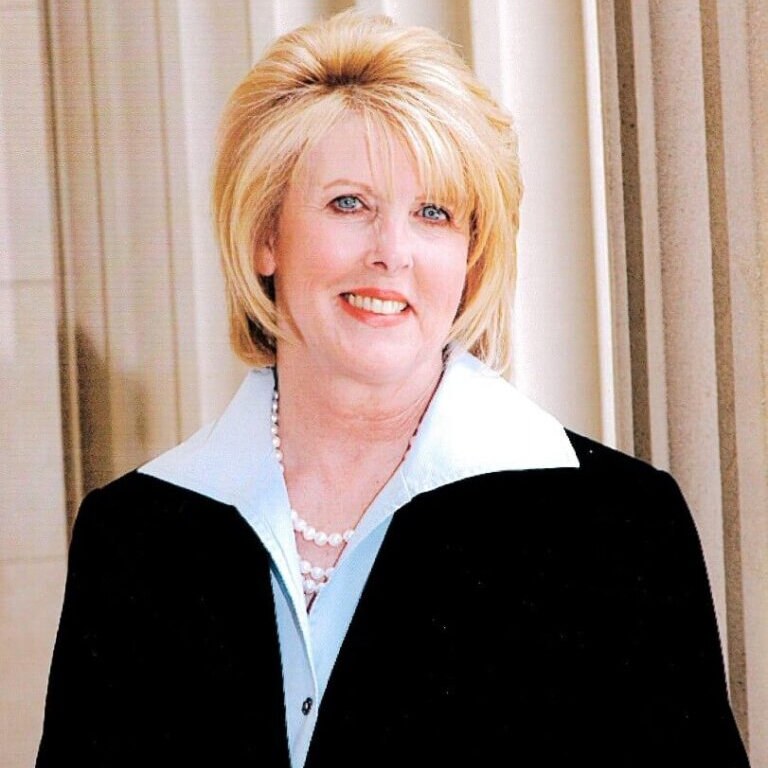
H. Edward Knox is a senior partner at Knox Law Center and a former mayor of Charlotte.
HPHeather P. HodgeAttorney
J. Gray BrothertonAttorney
Lisa GodfreyAttorney
Ryan HennellyAttorney
Contact Knox Law Center
Reach this firm directly using the details below. VerifiedLawFirms is a directory, not a referral service, so you contact the firm yourself and we never sit in between.