VerifiedLawFirms editorial: Published scope and named attorneys — The site identifies individuals and businesses in the greater Salt Lake City area as the firm's clients.
Each row is a check on this listing. Document checks are reviewed by an editor from evidence the firm submitted and are dated by that review; automatic checks confirm the listing's contact details are present and correctly formatted. Verification is independent of membership tier.
What we verified
How we verified
Status
Last checked
AddressThe listed street address resolves to a real location on the map.
Automatically
Confirmed
2026-07-28
Phone numberA phone number in valid US format is listed for this firm.
Automatically
Confirmed
2026-07-28
Automatic checks confirm the listing's contact details are present and correctly formatted. They do not verify the firm's licensure or standing — those are the document checks an editor reviews. How we verify →
About McKay, Burton & Thurman
McKay, Burton & Thurman, P.C. is a Salt Lake City law firm serving individuals and businesses in the greater Salt Lake City, Utah area.
Its listed practices include bankruptcy, business and commercial law, real property, family law, estate planning and litigation.
In bankruptcy matters, the firm represents debtors, creditors, trustees and parties in adversary proceedings. Its business work includes formation, transactions, franchising, collections, employment defense and general counsel services.
The firm's roots date to 1935, when Henry D. Moyle, David Lawrence McKay and Lynn S. Richards formed a partnership focused on water rights, oil, gas, mining and related matters. The practice later became a general practice office and passed through several names before returning to McKay, Burton & Thurman in 1988.
The site identifies five attorneys. The firm also represents buyers and sellers, residential and commercial landlords and tenants, property owners and homeowners' associations.
Its family work includes divorce, child custody and child support. Estate planning services include wills, trusts, powers of attorney and health care directives.
Editor's Review
VerifiedLawFirms editorial
Published scope and named attorneys
The site identifies individuals and businesses in the greater Salt Lake City area as the firm's clients. It gives the legal name as McKay, Burton & Thurman, P.C. The published work covers personal, commercial and property concerns.
The practice areas page lists bankruptcy, business and commercial law, real property, family law, estate planning and litigation. Each field includes matters that may involve advice, documents, negotiation or a court proceeding. In my opinion, this is a practical mix for clients whose legal concerns touch more than one listed field.
Five lawyers on the site
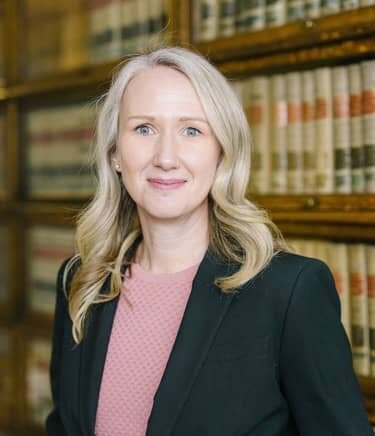
The attorneys page lists David L. Bird, Jamie L. Nopper and Brian J. Porter. It also lists Nickolas S. Rice and Seth D. Brown. The roster places five named lawyers within the firm's published service structure.
Work for people and businesses
The client description covers individuals and business clients. That scope fits the listed fields. A family matter or estate plan concerns personal affairs, while formation, franchising and employment defense arise in a business setting.
Some clients may have concerns in several fields at once. A business owner may hold real property, face a collection matter and need personal estate documents. A landlord may also encounter a contract dispute or bankruptcy issue involving a tenant.
Bankruptcy roles and court proceedings
The bankruptcy description names debtors, creditors and trustees as represented parties. It also includes parties in adversary proceedings. Those roles involve different duties and interests within the same federal court system.
Debtors, creditors and trustees
In a typical bankruptcy case, a debtor files a petition and detailed financial disclosures. Those records often cover assets, debts, income, expenses and recent transactions. The court and trustee use the filings to administer the case under the governing bankruptcy chapter.
Creditors receive notices and track filing deadlines. They may file proofs of claim, review a proposed plan or raise a dispute about the treatment of a debt. A trustee reviews the debtor's disclosures and performs the duties assigned by bankruptcy law.
The firm's express reference to all three roles gives useful detail about its bankruptcy practice. Debtor representation concerns the person or entity seeking relief. Creditor and trustee representation brings other parts of the case into the published scope.
Adversary proceedings
An adversary proceeding is a lawsuit connected to a bankruptcy case. A plaintiff begins it with a complaint, and the opposing party responds under court rules. The parties may exchange evidence, present motions and prepare for trial.
These proceedings can address disputes that require a separate judicial decision within the bankruptcy setting. Pleadings and deadlines shape the issues before the court. The site specifically includes representation of parties involved in this form of proceeding.
Business, property and civil disputes
The site names both transactional work and contested matters. The business list includes formation, transactions, franchising, collections, employment defense and general counsel services. The property list identifies several kinds of owners and parties to real estate relationships.
Commercial advice and transactions
Business formation usually requires decisions about legal structure, ownership and management. Formation documents record those choices and set rules for the entity. Tax treatment and personal liability may also affect the choice of structure.
A business transaction commonly involves contracts, records about the parties and terms for performance. The parties may review duties, payment terms, deadlines and remedies before signing. Larger transactions may also call for document review and formal closing steps.
Franchising has its own contract and disclosure framework. The relationship often involves brand rights, operating standards, payments and renewal terms. The firm's practice page expressly places franchising within its business work.
Collections and employment defense
Collection matters depend on records that show the source and amount of an asserted debt. Contracts, invoices, account statements and payment records may define the dispute. Court rules and enforcement procedures can affect the available course after a claim becomes due.
Employment defense concerns claims made against an employer. The process may require review of workplace policies, communications, personnel records and the employer's response. A government agency or court may set deadlines for filings and evidence.
General counsel work usually concerns recurring legal needs within a business. Contracts, internal decisions and active disputes may each require legal review. The site includes this service alongside the firm's defined commercial matters.
Real property relationships
The firm represents buyers and sellers of real property. It also represents residential and commercial landlords and tenants, property owners and homeowners' associations. That list covers transactions, ownership questions and ongoing property relationships.
A purchase or sale usually turns on a written agreement, title records and required disclosures. The parties track conditions, deadlines and documents tied to closing. A title issue or disagreement over contract terms may require separate analysis.
Landlord and tenant matters often begin with a lease and the parties' records. Rent, repairs, use of the premises and notice requirements can become disputed points. Residential and commercial leases may involve different terms and legal rules.
Homeowners' association matters often depend on declarations, bylaws, rules and account records. Owners and associations may need to determine what those documents permit or require. The site names both property owners and homeowners' associations among the firm's real property clients.
Litigation procedure
Litigation appears as a separate practice area on the site, and civil litigation matches the directory taxonomy for this listing. A civil case commonly includes pleadings, evidence exchange, motions and a scheduled trial. Courts control deadlines and decide legal questions raised by the parties.
The plaintiff states claims in a complaint, and the defendant files a response. Each side may request documents, submit written questions and take testimony under oath. Motions can resolve certain issues before trial.
Settlement discussions may occur while a case proceeds. If the parties reach terms, they record the agreement and handle any needed court filing. If the dispute goes to trial, a judge or jury decides the contested issues under the applicable rules.
Family law and estate documents
Divorce, child custody and child support are the three family matters named on the site. Each can require financial records and formal court documents. Custody and support issues may also remain active after an initial order.
Divorce, custody and support
A divorce case usually starts with pleadings that identify the requested relief. The parties disclose financial information and may seek temporary orders while the case proceeds. They can resolve issues by agreement or ask the court to decide them.
Child custody decisions concern legal authority, parenting time and the child's welfare. Parents may submit proposed schedules and information about the child's needs. The court applies the governing standard to the evidence before it.
Child support requires financial information and a calculation under applicable law. Income records and existing support duties may affect that calculation. A court order states the amount and payment terms.
Wills, trusts and decision-making documents
The estate planning page lists wills, trusts, powers of attorney and health care directives. These documents address property and personal decision making. Each document has a distinct purpose.
A will records instructions for property governed by the document and names the people chosen for stated roles. A trust sets terms for assets placed under its control. The trust document identifies who manages those assets and who receives the stated benefits.
A power of attorney authorizes another person to handle specified affairs. A health care directive records choices or authority for medical decisions. The signer must follow legal execution rules for the chosen documents.
Estate planning commonly begins with an inventory of assets, family circumstances and intended decision makers. The drafting process turns those choices into legal documents. Later changes in property or family circumstances may prompt an update.
Origins in Utah resource law
Henry D. Moyle, David Lawrence McKay and Lynn S. Richards formed the original partnership in 1935. Their work focused on water rights, oil, gas, mining and related matters. Those fields formed the early base of the firm's legal history.
The firm later became a general practice firm and used several names over time. Its present list now includes commercial, property and personal legal services. The published history connects that current scope to a Salt Lake City legal lineage dating to 1935.
The firm resumed the name McKay, Burton & Thurman in 1988. It now publishes its legal name as McKay, Burton & Thurman, P.C.
Client reviews
No client reviews yet.
Be the first to leave a review.
Write a review
Reviews are from clients of the firm. We email you a link to confirm, then an editor checks your review before it appears. Your email stays private.
Brian J. Porter
David L. Bird
Jamie L. Nopper
Nickolas S. Rice
SDSeth D. Brown
Contact McKay, Burton & Thurman
Reach this firm directly using the details below. VerifiedLawFirms is a directory, not a referral service, so you contact the firm yourself and we never sit in between.